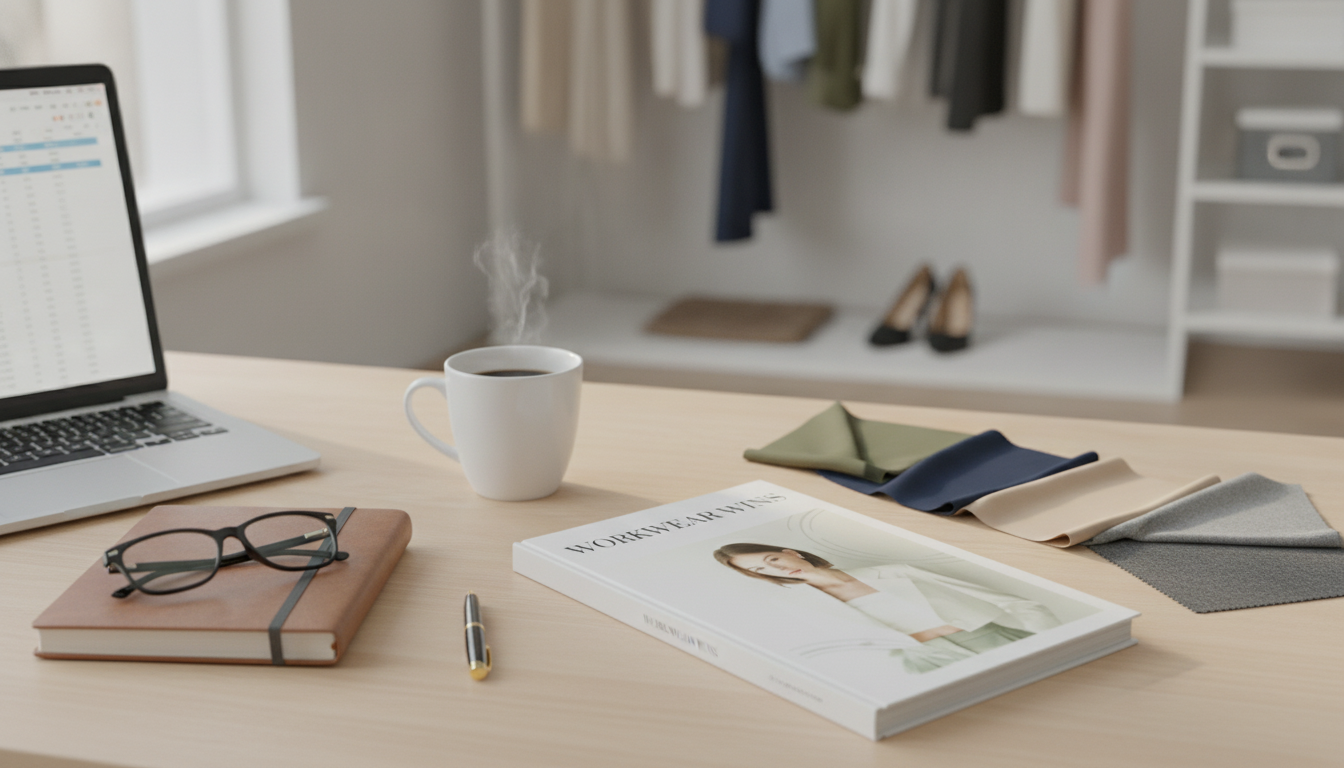
A polished work look comes from repeatable outfit formulas, a few reliable pieces, and small details that read intentional. This guide simplifies office dressing across common dress codes, helps build a mix-and-match wardrobe, and offers quick styling decisions for meetings, presentations, and everyday desk days.
The fastest way to look “right” at work is to match the room—then refine. Start by identifying the baseline (business formal, business professional, business casual, or smart casual) and pay attention to what leadership wears on typical days versus presentation days. If you’re new to a role or office, use the one-level-up rule for the first two weeks: dress slightly more polished, then calibrate once you see the true norm.
Regardless of dress code, structure reads intentional. Look for tailored shoulders, crisp collars, straight hems, and shoes that clearly look chosen (not “whatever was by the door”). Finally, keep a small back-up plan at work: a lint roller, stain pen, safety pin, spare tights or socks, and a neutral layer for surprise meetings.
| Dress code | Go-to formula | Shoes | Best fabrics | Avoid |
|---|---|---|---|---|
| Business formal | Matching suit + light blouse/shirt + minimal jewelry | Closed-toe pumps or sleek oxfords | Wool, wool-blend, crepe | Distracting prints, casual knits, athletic soles |
| Business professional | Blazer + tailored trousers/skirt + shell top | Loafers, block heels | Crepe, ponte, structured cotton | Overly tight fits, worn heels, sheer tops |
| Business casual | Knit blazer/cardigan + chinos/trousers + tucked tee or blouse | Loafers, flats, clean sneakers (if accepted) | Ponte, cotton blends, denim (dark, polished) | Ripped denim, loud logos, slouchy silhouettes |
| Smart casual | Elevated top + dark jeans or wide-leg pants + statement layer | Leather sneakers, ankle boots | Denim, knits, satin blends | Gym wear, flip-flops, overly distressed items |
A smaller closet can still deliver big variety when every piece “plays well” together. Aim for a tight palette (two neutrals plus one accent) so almost everything combines without extra thought.
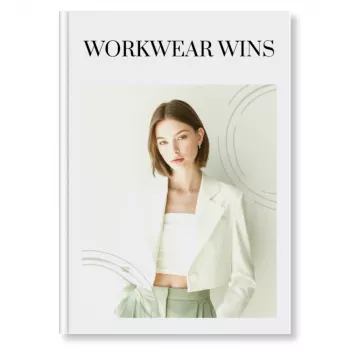
If you want a streamlined way to map outfits from a small core (and avoid buying duplicates that don’t match), the Workwear Wins: Office-Ready Outfit Guide is built for quick planning and repeatable formulas.
When mornings are tight, templates beat “starting from scratch.” Keep these on rotation and swap one element (shoe, topper, or accessory) to change the tone.
For commutes or long travel days, comfortable stretch bottoms can be a lifesaver—just reserve true athleisure for off-hours unless your workplace clearly accepts it. If you want a sleek flare silhouette for errands, travel, or after-work comfort, consider High Waist Flared Yoga Pants for Women for your non-office rotation.
Most “elevated” outfits are simple outfits with better fit and better fabric. Use quick checkpoints before you commit to keeping an item:
Try a 10-minute Sunday reset: steam two pieces, clean shoes, and pre-select one complete outfit for the first workday. Over time, keep a small rotation of reliable silhouettes and upgrade impact through better fit, better fabric, and consistent finishing details. For a streamlined, printable approach to planning outfits and building a repeatable work wardrobe, use the Workwear Wins: Office-Ready Outfit Guide.
For more on workplace expectations and professional norms, helpful starting points include guidance from Society for Human Resource Management (SHRM) and insights on presence and workplace norms from Harvard Business Review.
Stick to dependable formulas like a blazer with tailored trousers and a shell, a knit blazer with straight-leg pants, or a simple dress topped with a blazer. Finish with clean shoes, a structured bag, and one intentional detail like a belt or small earrings.
A 10–15 piece mix-and-match core can easily create 20+ combinations, especially when your colors coordinate. Repeating great staples is normal—variety comes from switching shoes, toppers, and accessories.
Choose structured, forgiving fabrics like ponte, crepe, and wool blends with a touch of stretch, and prioritize supportive shoes like loafers or block heels. Layer smartly for temperature changes and tailor key areas so you can sit, reach, and move without constant adjusting.








Leave a comment